2026-10-09 ·
Moss on Your Roof Is Causing Leaks
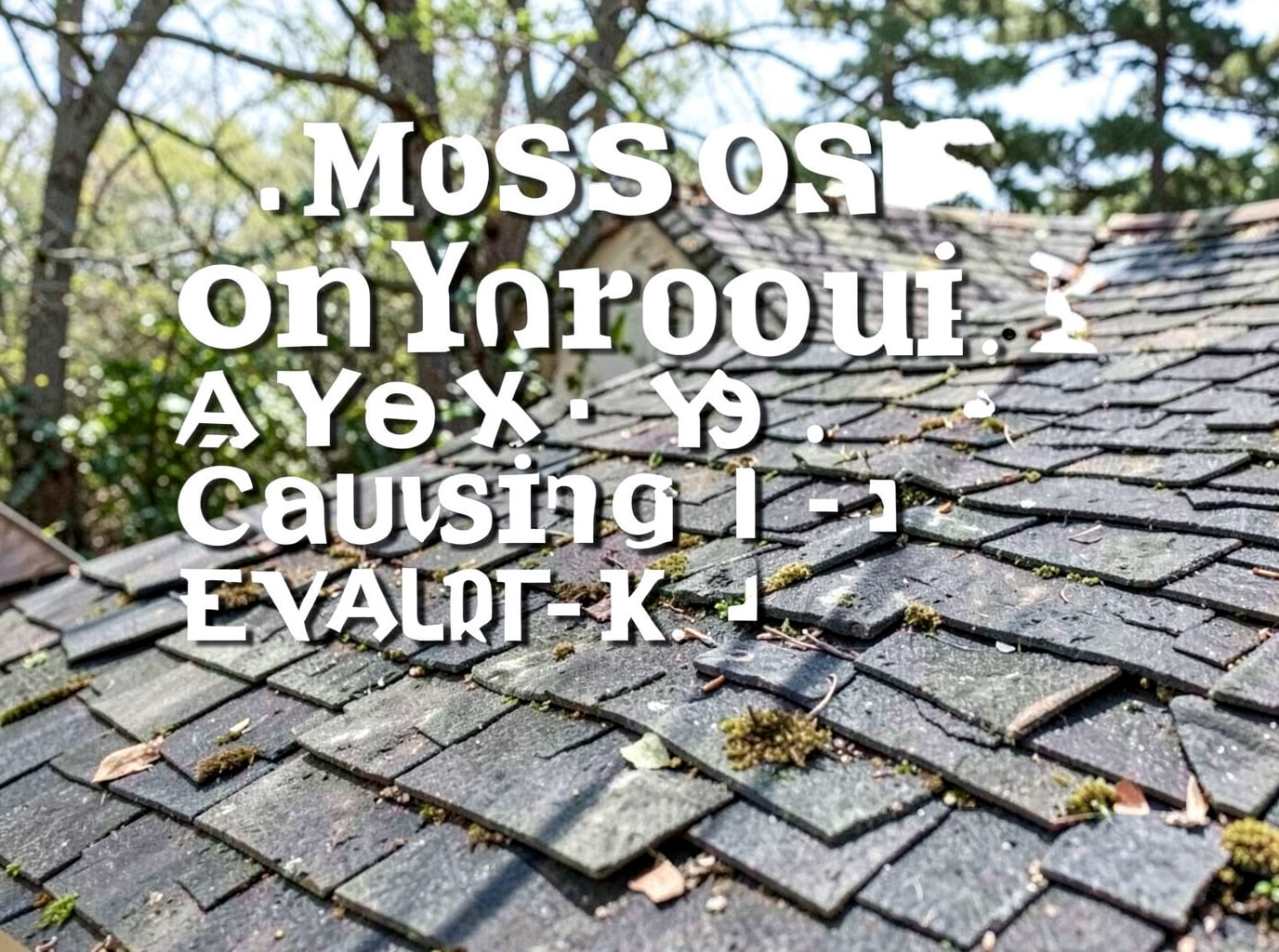
Moss on your roof causes leaks by trapping moisture against shingles for months at a time, often leading to rot and granule loss within three to six years on homes in Everett. The cool wet winters keep the growth active from October through March, while mild dry summers let it dry and crack the surface underneath.
Moss Thrives in Everett's Wet Climate
Everett's cool wet winters deliver frequent light rain that keeps roof surfaces damp for days, giving moss spores the constant moisture they need to spread across north-facing slopes. Homes in Silver Lake and Lowell sit near Forest Park and the Snohomish County tree line, where shade and organic debris from cedar and fir trees land on asphalt shingles and feed the growth. In Port Gardner and Downtown Everett, older housing stock from the 1960s and 1970s uses shingles that already hold a thin layer of grit, making it easy for moss to anchor. The Boeing Everett Factory area sees similar patterns because prevailing winds carry spores from nearby greenbelts. During the mild dry summers the moss dries out, shrinks, and lifts shingle edges, creating small gaps that let the next winter's rain reach the underlayment. This cycle repeats yearly and explains why untreated roofs in Mukilteo and Marysville show leaks sooner than those maintained on a schedule.
How Moss Leads to Shingle Damage and Leaks
Once moss mats form, they act like sponges that keep water in contact with the shingle surface long after the rain stops. The constant dampness softens the asphalt binder and washes away protective granules, exposing the fiberglass mat to UV and freeze-thaw cycles common in Snohomish County. Lifted shingle tabs then allow water to run under the course and reach nail heads or seams. In neighborhoods like Riverside and Cascade View, roofs with 8–12 year old shingles already show granule loss where moss has been present for two seasons. The added weight of saturated moss can also push older underlayment past its limit, especially on low-slope sections near the Everett Marina. When winter temperatures drop, the trapped water expands and contracts, widening the same paths until interior stains appear above ceilings. This process happens faster on homes that back up to greenbelts because fallen needles supply extra nutrients.
Identifying Moss-Related Leaks in Local Homes
Homeowners in Everett first notice dark streaks or green patches along the lower third of the roof slope after the first hard rains of fall. Interior signs include brown water stains on ceilings in upstairs bedrooms, usually directly below the north-facing plane where moss grows thickest. Checking the attic on a dry day reveals dark spots on the underside of the sheathing or rusted nail heads where moisture has wicked in. In Silver Lake and Pinehurst-Beverly Park, many single-story homes have vaulted ceilings that make these stains visible early. Gutters clogged with moss debris cause overflow that soaks fascia boards and eventually the roof edge. A roof leak detection & inspection can map these entry points before they reach living spaces. Comparing photos taken in summer and again after the first winter rains shows how quickly the same moss patches expand and lift shingles.
Safe Removal and Prevention Steps
Pressure washing drives water under shingles and should be avoided on asphalt roofs in Everett. Instead, apply a moss-killing solution rated for asphalt shingles, let it work for the labeled dwell time, then rinse with low pressure from a garden hose. Work from the top down so loosened material flows into the gutters rather than under the courses. After cleaning, treat the roof with a zinc or copper strip along the ridge to slow regrowth during the next wet season. Homeowners in Mukilteo and Snohomish who installed these strips five years ago report noticeably less moss on the same roof planes. Keep trees trimmed back at least six feet from the roof edge to reduce shade and needle drop. Clearing gutters every spring and fall prevents standing water that feeds moss at the eaves. Scheduling a roof moss & algae removal visit before the October rains begin stops the cycle before leaks start.
When Professional Help Becomes Necessary
If moss covers more than 30 percent of any slope or interior stains have already appeared, a full inspection is required to check underlayment and sheathing condition. Roofs in Lowell and Delta that have gone two winters without treatment often need section repairs rather than simple cleaning. A why does my roof leak when it rains hard article explains how the same moss damage shows up during heavy downpours. Pairing removal with an everett seasonal roof maintenance checklist keeps the roof clear through the wet months. Everett Roof & Leak Pros operates from 11031 19th Ave SE and can be reached Monday through Friday 8am–6pm or Saturday 9am–2pm for assessments in Silver Lake, Port Gardner, and surrounding Snohomish County neighborhoods.